NewsAnalysis6 min read
Burnham Mulls Nearly £1bn of Business Rate Cuts in the October Budget
Nothing has been signed off, but four weeks of statements from the Prime Minister and his Treasury team point at up to £1bn coming out of the £30bn business rates take at the October Budget. Here is every statement that matters, what the press is briefing, and our own estimate of what the headline change would actually cost.
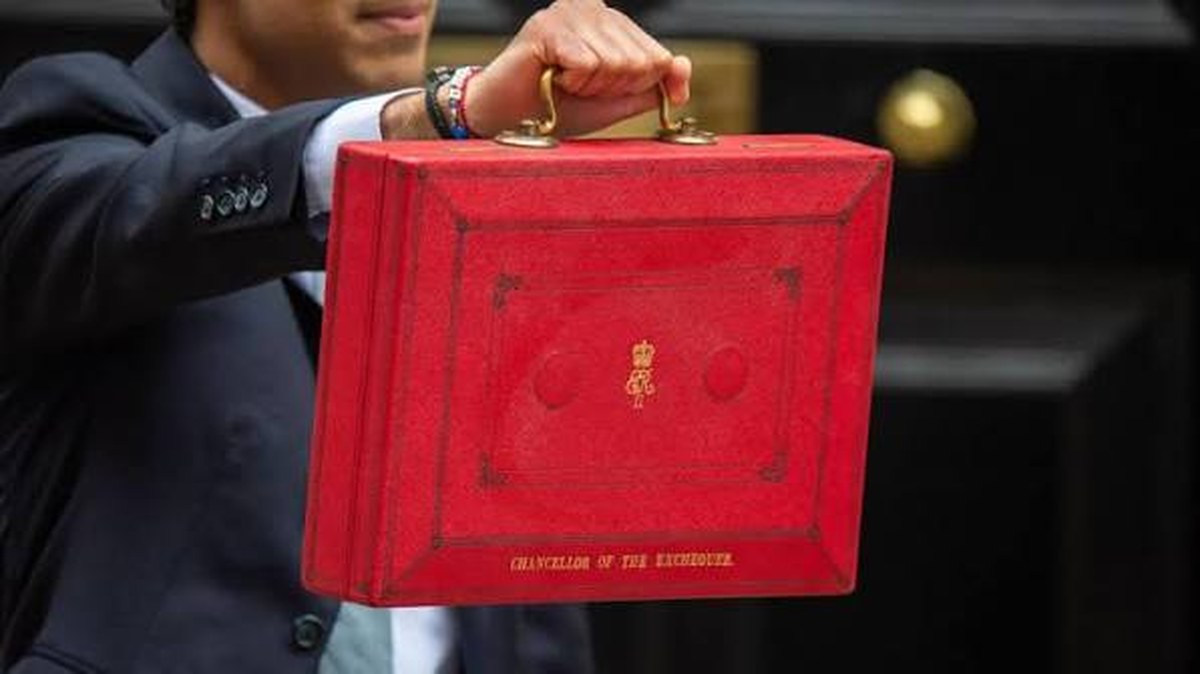
Small businesses are creaking under the weight of the additional taxes levied on them, so it is no surprise they look set to take up a good deal of Andy Burnham’s first Budget since becoming Prime Minister this summer.
Nothing has been finalised. But statements from the Prime Minister and Treasury ministers over the last four weeks show the government is eyeing cuts of up to £1bn for small businesses out of a business ratesThe tax most non-residential properties in England pay to their local council, similar to council tax but for shops, offices, warehouses and other business premises. take of roughly £30bn a year.
What we know so far
- Further support beyond the additional 20% relief for pubs, social clubs and live music venues, on top of the 15% already announced, plus a plan to hand more of the £30bn take to local government. Those two packages together cost about £250m and reach about 32,000 pubs, according to Treasury Secretary James Murray.
- Talk of raising the multiplier on warehouses and large properties as a way of paying for some or all of the additional reliefs.
- Press reports that the Treasury is looking at raising the Small Business Rate Relief threshold from £12,000 to around £17,096, with a taper to £20,000. No minister has committed to this or ruled it out.
- A narrowing of who qualifies for that relief, aimed at businesses “not making a positive contribution to local communities, such as vape shops”.
- Allocating more of the business rates take — currently about half — to local government.
Over the last month, the following statements have been made by the Prime Minister or by senior Cabinet and Treasury ministers.
The single most important statement
Prime Minister Andy Burnham, Commons statement on the Direction of Government, 1 September, answering a question on high streets:
“I have made a start with pubs and live music venues, but I do believe we need to go further… I think it is a case of rebalancing the system — some of the large entities and warehouses do not, in percentage terms, pay the same amount in business rates — so that we can support those businesses on the high street… That is something that I am looking at.”
At Prime Minister’s Questions on 9 September he added: “We need to go further to support hospitality. I cannot commit, from this Dispatch Box today, to what she is asking, but she should wait for the Budget.”
Treasury ministers
Chancellor John Healey, 8 September: “We are in the process of taking further steps to review and reform the business rates system, and I will be able to set out more details at the Budget.”
James Murray, Treasury Secretary, 8 September, in a full oral question set titled Business Rates: Hospitality Sector — the most substantive minister on this:
- The 20% cut for pubs, social clubs and live music venues takes effect in April 2027, on top of the 15% this year.
- “The 20% business rates cut that we announced was a down payment on further reform.”
- “We are considering every possible opportunity to support retail, hospitality and leisure businesses on the high street.”
- “This is not a question of taking one policy announcement from July and thinking that that is the end of the story.”
- On valuation, the new review “will report in time for decisions… to be in place for the next revaluation”.
Emma Reynolds, Chief Secretary, 7 and 8 September: at the Budget the government will publish a fiscal devolution road map, “including greater retention of business rates revenue for local councils and strategic authorities”.
Other cabinet ministers
Louise Haigh (First Secretary of State), 2 and 10 September — devolving a share of income tax and business rates to mayors, but with an important limit: “They will not have any difference in altering the level of business rates, but they will be incentivised and be able to keep a share of them.” That is retention, not local rate-setting: your billing authorityYour local council — the body that actually sends your bill and collects payment, using the Rateable Value the VOA has set. would keep more of what it collects, not decide what you pay.
Angela Rayner (Housing, Communities and Local Government), 3 September — a high streets strategy is coming, alongside “cutting business rates, as we announced over the summer”.
Jim McMahon (Under Secretary of State, Housing, Communities and Local Government), 7 and 15 September — “committed to reforming the system to create a fairer approach that fully supports investment and high streets”, with the high streets strategy later this year.
McMahon confirmed the mechanism in a written answer on 16 September: “The Government has announced it will review business rates reliefs for businesses not making a positive contribution to local communities, such as vape shops. Further details will be set out in due course.”
Outside the House
On 24 August the Treasury launched an independent review of how pubs and hotels are valued for rates, led by Jerry Schurder. The call for evidence closes on 16 October 2026 and the review reports by 31 March 2027, with recommendations applying to the 2029 revaluationThe periodic exercise where the VOA updates every property's Rateable Value to reflect current rents. The most recent revaluation took effect 1 April 2026. — not the current 2026 rating listThe public register listing every business property's Rateable Value. The current list is the '2026 list', based on rental values from 1 April 2024.. Murray: “Pubs and hotels are vital for communities and bringing growth to every postcode.” This is the only thing anyone in government has said that reaches beyond 2027.
Baroness Taylor of Stevenage, 14 September, and Murray on 11 September in near-identical terms: the government has committed to “replace grants from central government with a share of local income tax for every mayoral strategic authority from April 2028, and for greater retention of the revenue from business rates for local councils and strategic authorities from April 2027”.
What the press is briefing
The Treasury is said to be considering raising the Small Business Rate ReliefA discount for smaller properties. Below a certain Rateable Value you pay nothing at all; above that there's a sliding-scale ('tapered') discount up to a higher threshold. threshold from £12,000 to around £17,096, a taper to £20,000, and stretching the transitional reliefA cap that phases in large bill increases (or decreases) gradually after a revaluation, so no ratepayer's bill jumps by the full amount in one go. caps, currently 5% this year, 10% next and 25% in 2028-29. Treat this as unattributed briefing: no minister has confirmed any of it, and retailers are publicly complaining they are getting reviews and roadmaps rather than reform.
What that change would actually cost
We hold the full England rating listThe public register listing every business property's Rateable Value. The current list is the '2026 list', based on rental values from 1 April 2024., so we can size the threshold move rather than guess at it. There are 280,527 properties in England with a rateable valueThe official estimate of a property's annual rental value on a fixed valuation date. Your rates bill is based on this figure, not on what you actually pay in rent. between £12,000 and £20,000 — the band the reported change would reach. At the 43.2p small business multiplierThe pence-in-the-pound rate the government sets each year. Your rates bill is roughly Rateable Value × multiplier, before any reliefs are applied., the average property in that band would gain about £4,250 a year, and no single one of them can gain more than £7,377.
Not every property in the band would benefit, because Small Business Rate Relief goes to the occupier rather than the building, and only to businesses that occupy one property. On the assumption that roughly three in five of them qualify, the change would cost about £750m a year and reach about 176,000 English properties.
What happens next
We will be watching the statements coming out of the Labour Party conference between 27 and 30 September, and everything in the run-up to the Budget. In the meantime, our monthly movements page tracks what the Valuation OfficeThe government body that sets every property's Rateable Value. From April 2026 the VOA is part of HMRC (see below), but 'VOA' is still the common name for the valuation side of the work. is actually doing to rateable values each month, which is the part of your bill that changes whether or not the Chancellor moves.
What this means for you
The quickest way to know whether any of this affects your own bill is to compare your rateable value with genuinely similar properties nearby. Free, about two minutes, no account.
Check my ratesSources
- Hansard, Commons — Direction of Government, 1 September 2026
- Hansard, Commons — Business Rates: Hospitality Sector, 8 September 2026
- GOV.UK — Treasury to call time on uncertainty for pubs and hotels, 24 August 2026
- GOV.UK — Valuation Methodology Review for Pubs and Hotels
- ITV News — Burnham's business rates plan to boost high street 'could cost around £880m'
- Monthly rateable value movements — Business Rate Checker Intelligence
Independent service — not endorsed by the VOA or HMRC. We use published rating-list data under licence; official rateable values and formal decisions come only from the VOA/HMRC. England only.